


Ever wondered how the steel in your car or the cast iron in your kitchenware gets its strength and durability? The unsung hero behind these everyday materials is ferrosilicon a powerhouse alloy driving innovation in metallurgy while aligning with the global push for sustainability. As industries worldwide strive for greener practices, ferrosilicon is stepping into the spotlight, not just as a metallurgical staple but as a key player in the green revolution. Let’s dive into how this alloy is reshaping technology, one molten batch at a time.
What Exactly Is Ferrosilicon?
At its core, ferro silicon (FeSi) is an alloy of iron and silicon, typically containing 15% to 90% silicon, though the most common grades hover around 45%, 65%, 72%, or 75% silicon content. The remaining portion is mostly iron, with trace elements like aluminum and calcium. This blend isn’t just a random mix—it’s a carefully engineered material that reacts predictably under extreme heat, making it indispensable in heavy industries.
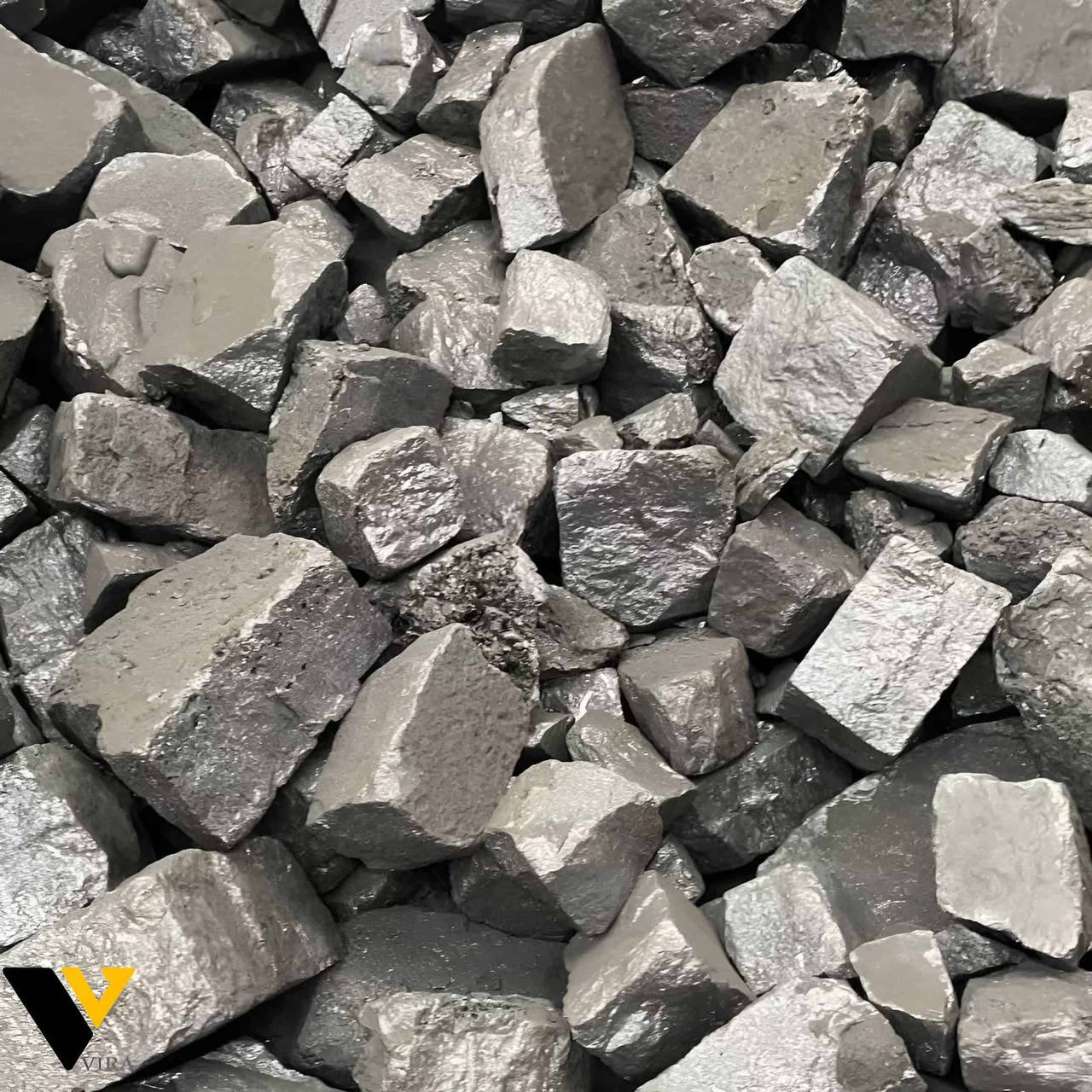
Produced in electric arc furnaces or blast furnaces, ferrosilicon starts as a reduction of silica (sand) and coke, with iron scrap or millscale thrown into the mix. The result? A shiny, metallic-grey lump that packs a punch in metallurgical applications.
The Role of Ferrosilicon in Steelmaking
Deoxidizer: Keeping Steel Pure and Strong
Imagine molten steel bubbling with oxygen—sounds like a recipe for weak, brittle metal, right? That’s where ferrosilicon swoops in as a deoxidizer. When added to molten steel, its silicon content reacts fiercely with oxygen, forming silicon dioxide (SiO₂), which floats to the surface as slag. This not only purifies the steel but also prevents carbon loss, ensuring the final product is robust and free from defects.
Compared to other deoxidizers, ferrosilicon is a cost-effective choice. It’s safer to handle, minimizes operational risks, and delivers consistent results—making it a favorite in steel mills worldwide.
Alloying Agent: Boosting Performance
But ferrosilicon isn’t just about removing impurities. It’s also a critical alloying element. Depending on the silicon content, it can enhance:
- Hardness (think tool steel for drills and blades).
- Elasticity (springs that won’t snap under pressure).
- Magnetic properties (essential for transformer cores and electric motors).
Steelmakers often tweak the silicon percentage to tailor the alloy’s properties. For instance, high-silicon ferrosilicon (75%-90%) is prized in electrical steels, where low carbon and titanium levels are non-negotiable.
Ferrosilicon in Casting: The Magic of Inoculation
Transforming Molten Iron into Superior Castings
Cast iron might seem like a humble material, but without ferrosilicon, it’d be prone to cracks and weak spots. Here’s the trick: when added to molten iron, ferrosilicon acts as an inoculant, promoting the formation of graphite nodules instead of brittle cementite.
This isn’t just a minor tweak—it’s a game-changer. Graphite nodules give ductile iron its flexibility, making it ideal for pipes, automotive parts, and even heavy machinery. Without ferrosilicon, we’d be stuck with gray cast iron, which fractures easily under stress.
Improving Fluidity and Reducing Defects
Ever tried pouring honey versus water? That’s the difference ferrosilicon makes in casting. By enhancing the fluidity of molten iron, it ensures even filling of molds, reducing issues like shrinkage pores or clogged outlets. Plus, it’s cheaper than traditional additives, giving foundries a budget-friendly edge.
The Green Edge: Ferrosilicon’s Sustainable Side
Hydrogen Production: A Clean Energy Link
Here’s where things get exciting. Ferrosilicon isn’t just about metals—it’s also a hydrogen generator. When mixed with sodium hydroxide and water, it produces hydrogen gas, a reaction harnessed since World War I for balloons and now eyed for clean energy solutions.
Why does this matter? Hydrogen is a zero-emission fuel, and ferrosilicon offers a portable, stable way to produce it. Unlike electrolysis, which needs massive infrastructure, a ferrosilicon-based hydrogen generator can fit in a truck, making it a viable option for remote or emergency use.
Energy Efficiency and Recycling
Producing ferrosilicon isn’t exactly low-energy—electric arc furnaces guzzle power. But companies like Elkem are pushing for greener methods, like using renewable energy and exploring carbon capture. Plus, ferrosilicon’s role in recycling scrap metal into high-quality steel aligns perfectly with circular economy goals.
Ferrosilicon Price Trends: Market Realities in 2025
Why Prices Are Under Pressure
The ferrosilicon price per ton in 2025 is a rollercoaster. In China, oversupply and sluggish steel demand have dragged prices down to $1,100–$1,450/ton for FeSi 75%, while high-purity European grades fetch up to $2,200/ton.
Factors at play?
- Weak steel demand: Construction slowdowns mean less need for deoxidizers.
- Energy costs: Furnaces rely on electricity, so power prices directly impact production costs.
- Export competition: Russian and Iranian suppliers are undercutting markets with cheaper offers.
The Silver Lining
For buyers, this dip is a chance to stock up. But long-term, the market’s fate hinges on steel’s recovery and green tech adoption. If hydrogen takes off, demand for ferrosilicon could surge beyond metallurgy.
Innovations on the Horizon
High-Purity and Low-Carbon Grades
Steelmakers are demanding cleaner ferrosilicon—low in aluminum, carbon, and titanium—to meet strict quality standards. Elkem’s ELEKSIL™ and PURISIL™ ranges cater to this niche, ensuring premium steels for aerospace and electronics.
Atomized Ferrosilicon: Mining’s Hidden Gem
In mining, atomized ferrosilicon powder is used in dense media separation, a process that sorts minerals by density. It’s a quieter application but crucial for recycling and mineral processing.
Conclusion: Ferrosilicon’s Dual Role in Industry and Sustainability
From purifying steel to enabling clean hydrogen, ferrosilicon is more than a metallurgical workhorse—it’s a bridge to greener industry. While price volatility and energy challenges persist, its versatility ensures it won’t fade into obscurity. As technologies evolve, so will ferrosilicon’s applications, solidifying its place in both traditional metalworking and the sustainable revolution.
So next time you see a skyscraper or drive a car, remember: a little ferro silicon probably helped make it possible. And who knows? It might just power your future commute too.
Vira Trading Group is a leading manufacturer and exporter of high-purity Ferrosilicon, trusted by steel and foundry industries worldwide.
With advanced production facilities and strict quality control, we deliver export-grade FeSi 75% with consistent specifications and reliable performance.
Our products are shipped globally in moisture-proof packaging, tailored to meet ISO and international standards.


